
22 Metrics Every Head of Finance Should Track

Summary: Your growth targets are ambitious: new markets, funding rounds, bell-ringing moments. Hitting those goals takes disciplined execution grounded in clear, reliable metrics.
If you lead finance at a tech company, you translate strategy into numbers that stand up to scrutiny. Without a tight grip on fundamentals and the right metrics, investor conversations stall and planning wobbles.
Metrics mark the milestones in your company's story. The challenge is knowing which ones matter for your stage and model, then tracking them consistently.
This expert-informed list highlights the most important financial metrics to monitor. PowerMetrics is an AI analytics platform that helps you centralize these metrics, define them consistently, and share trustworthy dashboards across the team.
Growth & efficiency metrics
MRR Growth Rate
Expert contributors: Taylor Wilson and Snita Balsara
Monthly Recurring Revenue (MRR) Growth Rate expresses how quickly MRR is increasing. Track monthly or annually, and pair it with churn and expansion metrics to understand the full growth picture.
Net Annual Recurring Revenue Added (Net ARR Added)
Expert contributor: Paula Diaz
Net ARR Added is the net change in annual recurring revenue from new logos, expansion, down-sell, and churn in a period. Use it to understand the components of growth and isolate where revenue is actually coming from.
SaaS Magic Number
Expert contributors: Will Cordes and Alamin Mollick
The SaaS Magic Number estimates ARR gained for every sales and marketing dollar spent. Use it to judge the sustainability of go-to-market spend and benchmark efficiency against peers.
Burn Multiple
Expert contributor: David Sacks
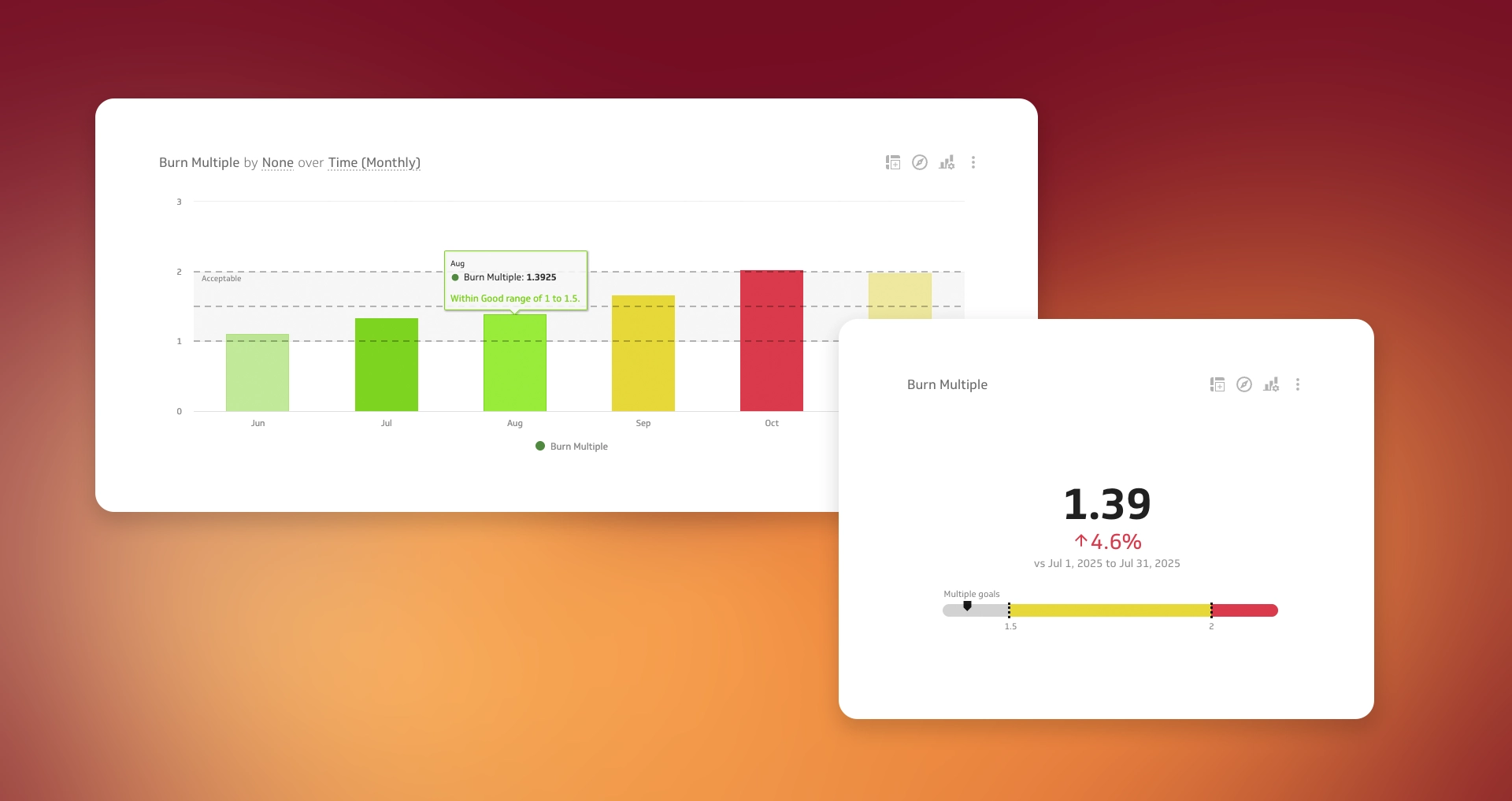
Burn Multiple shows how much cash a startup burns to add each incremental dollar of ARR. Lower is better. It reflects how efficiently the company turns spend into durable growth. The calculation is Net Cash Burn / Net ARR Added (where Net Cash Burn is the change in cash over the period).
The Rule of 40
Expert contributors: Ben Murray and Adrian Bunter
The Rule of 40 balances revenue growth and profit margin to provide a quick read on company health. For clarity, the Profit Margin component typically refers to EBITDA Margin or Free Cash Flow (FCF) Margin. The calculation is simply your Annual Revenue Growth Rate + Profit Margin Percentage.
Customer acquisition metrics
Customer Acquisition Cost (CAC)
Expert contributor: Mandy Leavell
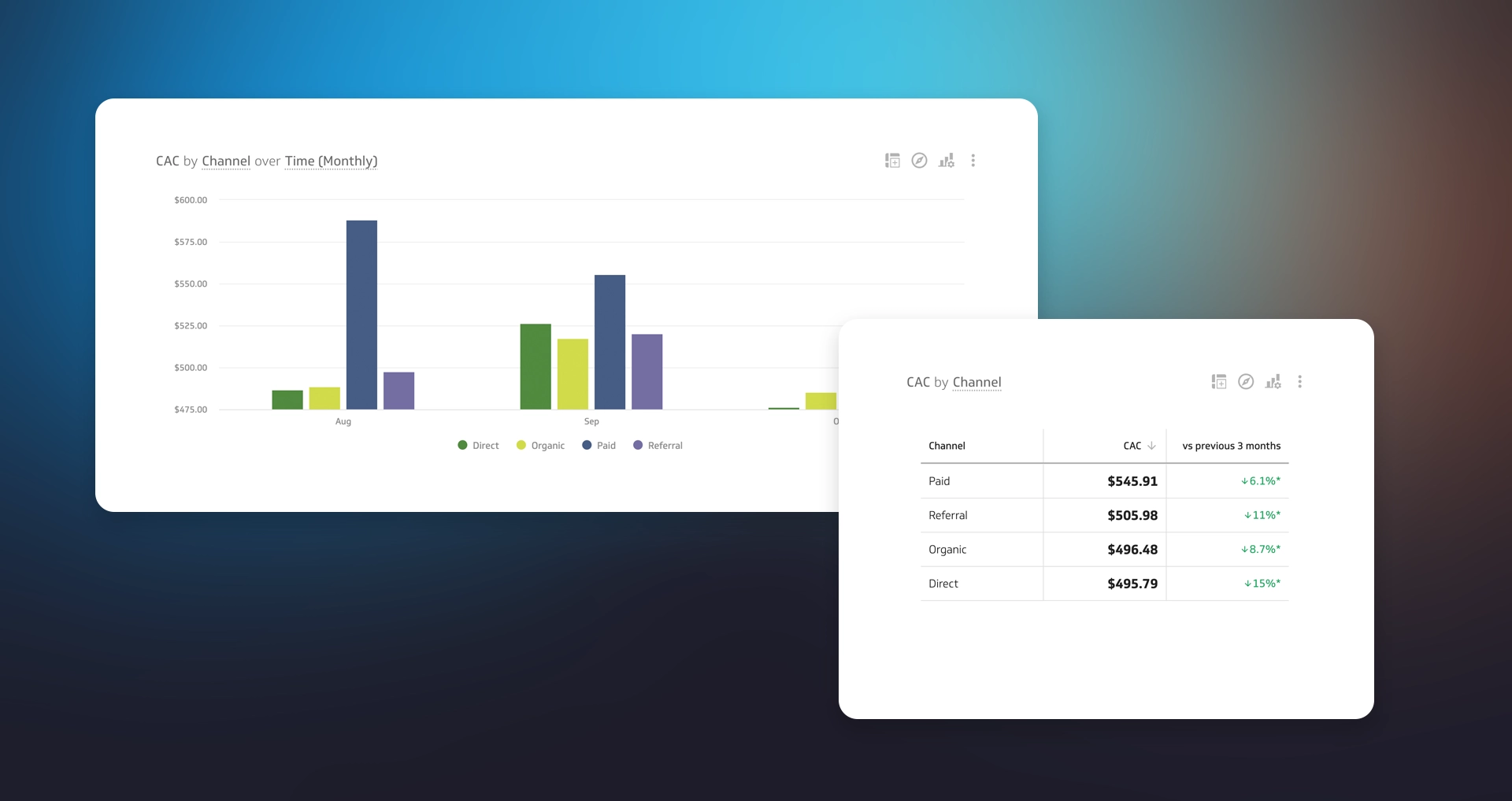
Customer Acquisition Cost (CAC) is the cost to acquire one new customer. Include fully-loaded sales and marketing costs divided by the number of new customers in the period. Pair CAC with LTV to understand whether acquisition is sustainable.
Customer Acquisition Cost Ratio (CAC Ratio)
Expert contributor: Vinny Prajka
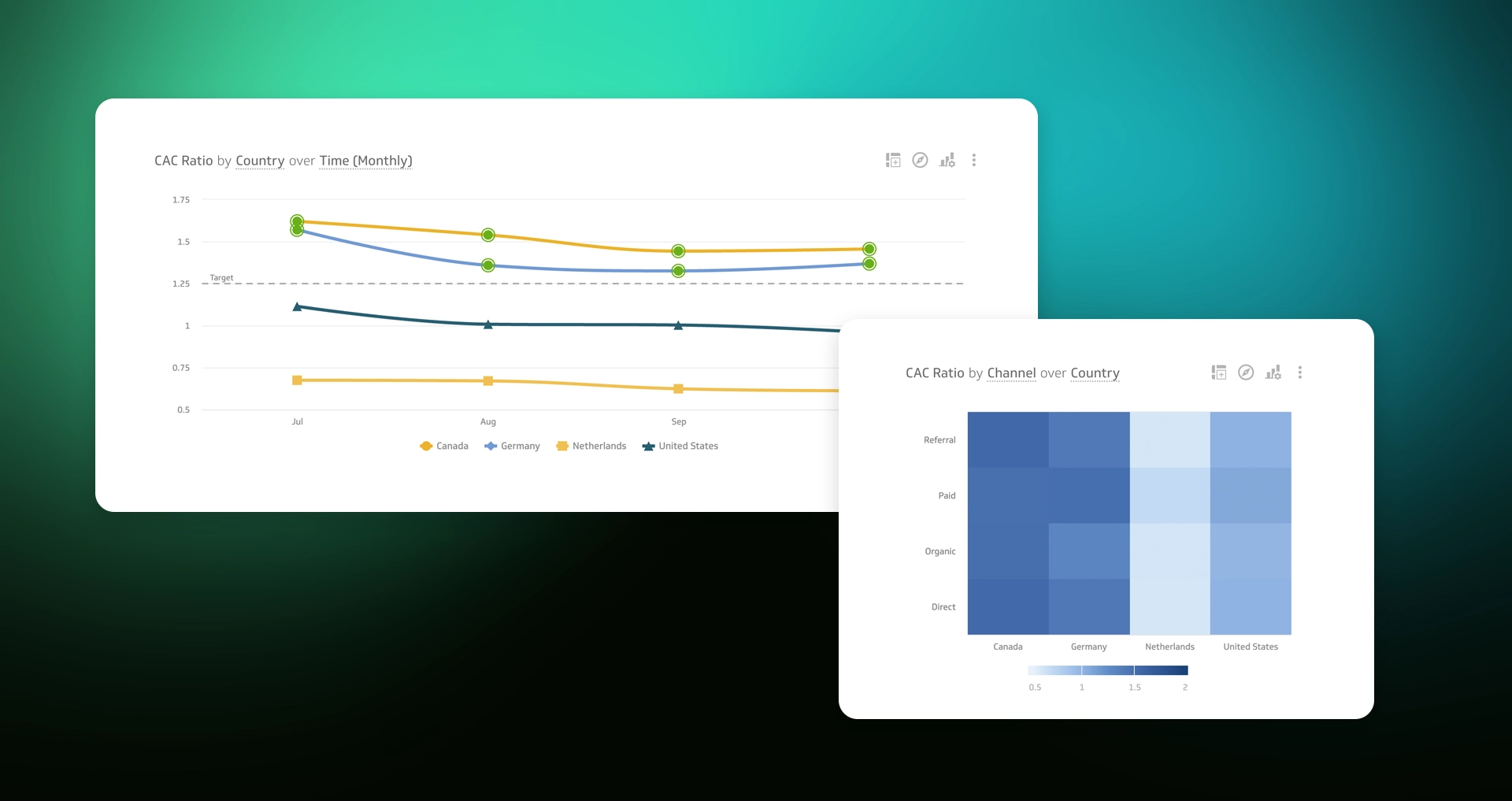
CAC Ratio measures sales and marketing efficiency: for each dollar invested, how much new subscription contract value is generated, adjusted for gross margin. Your target depends on market context, growth goals, and delivery efficiency. The calculation is often expressed as ((New ARR - Contracted ARR) × Gross Margin) / Sales and Marketing Spend.
Lifetime Value to Cost of Acquisition Ratio (LTV/CAC)
Expert contributor: Eckhard Ortwein
LTV/CAC compares the lifetime revenue expected from a customer to the cost to acquire that customer. Ratios above 3:1 are often cited as healthy for SaaS, but context matters—your unit economics depend on your market, product, and growth stage.
Customer value metrics
Customer Lifetime Value (LTV)
Expert contributor: Pablo Srugo
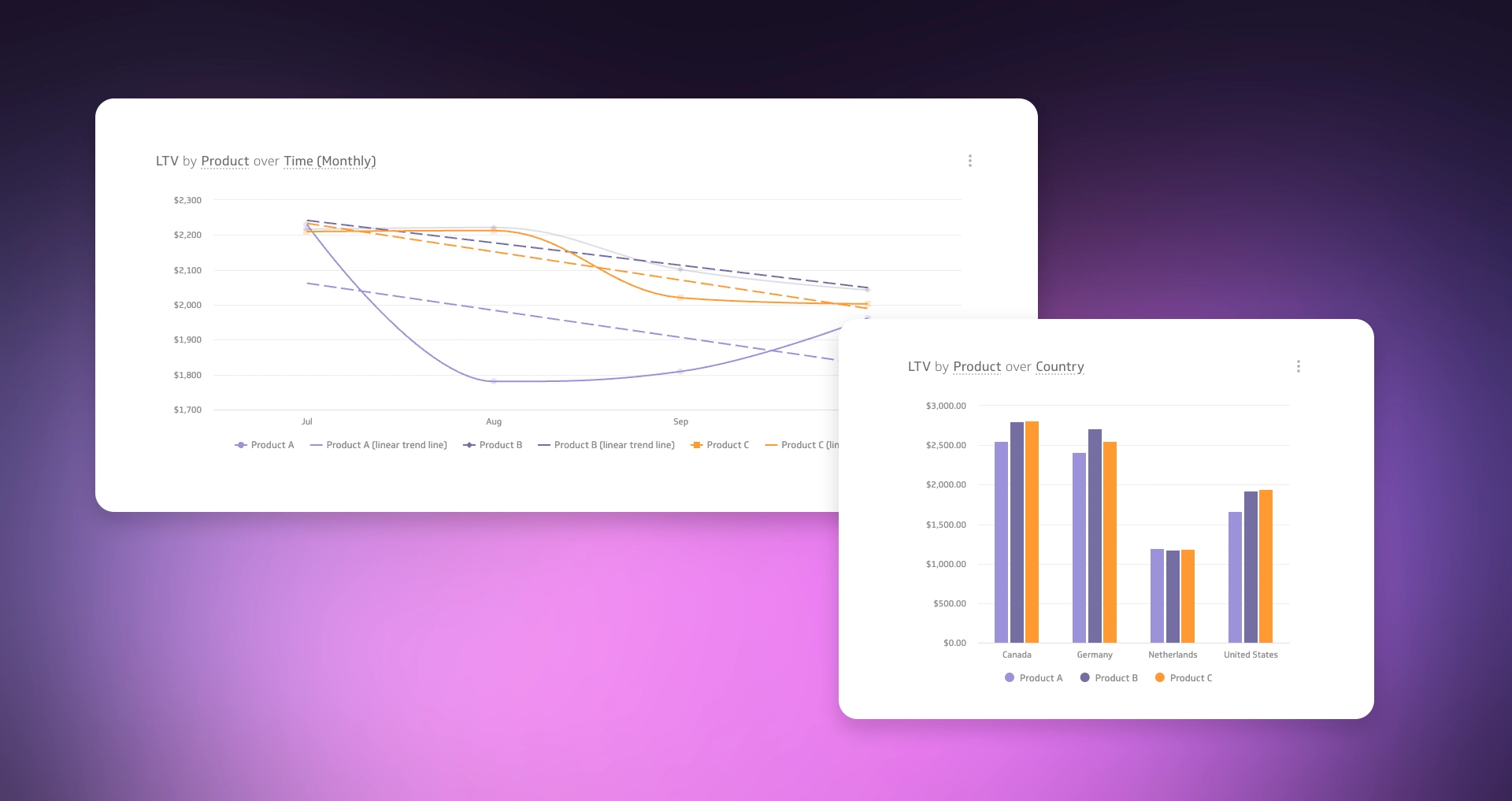
Customer Lifetime Value (LTV) estimates total revenue from a typical customer over their relationship with your company. Use it to identify high-value segments and to guide acquisition and retention spend.
Annual Contract Value (ACV)

Expert contributor: Lauren Thibodeau
Annual Contract Value (ACV) is the dollar amount an average customer contract is worth to your company in one year. Definitions vary. Some teams include one-time fees like setup or training in ACV; others don't. Track ACV the same way each period and use a SaaS dashboard to align understanding across teams.
Weighted ACV (WACV)
Expert contributor: Nnamdi Iregbulem
Weighted Annual Contract Value (WACV) calculates the average contract value using a weighted average proportional to each contract's size. It's useful when customer spend varies widely. Note that while WACV can be weighted by contract size, in the context of sales forecasting and pipeline management, Weighted ACV often refers to the Average Contract Value weighted by the probability of closing (i.e., ACV × Deal Stage Probability).


Retention & churn metrics
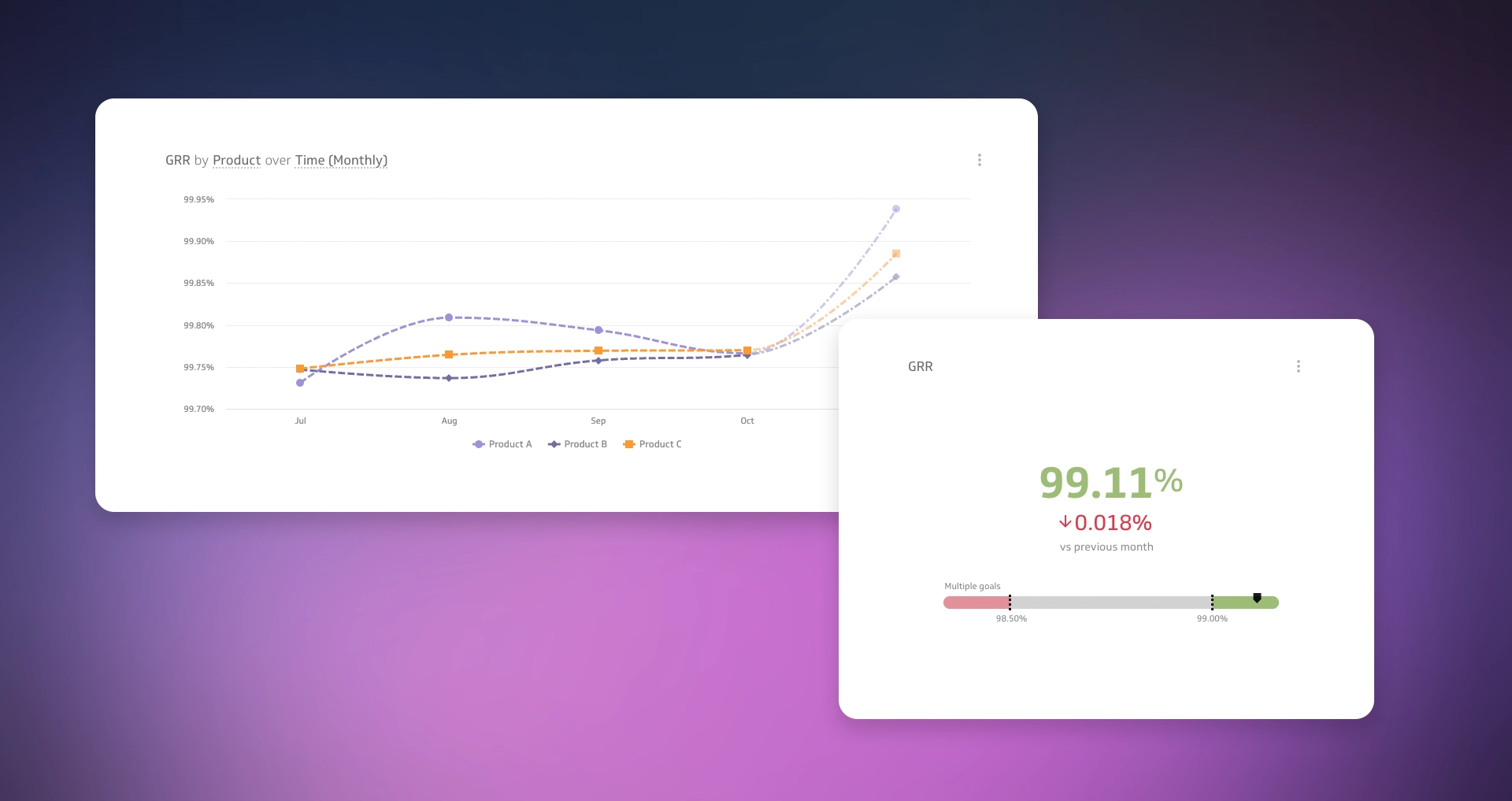
Gross Revenue Retention Rate (GRR)
Expert contributor: Lauren Thibodeau
Gross Revenue Retention (GRR) is the percentage of recurring revenue retained from existing customers in a period, including downgrades and cancellations, and excluding expansion. Not to be confused with NRR. The calculation is (Starting ARR - Downgrades - Cancellations) / Starting ARR.
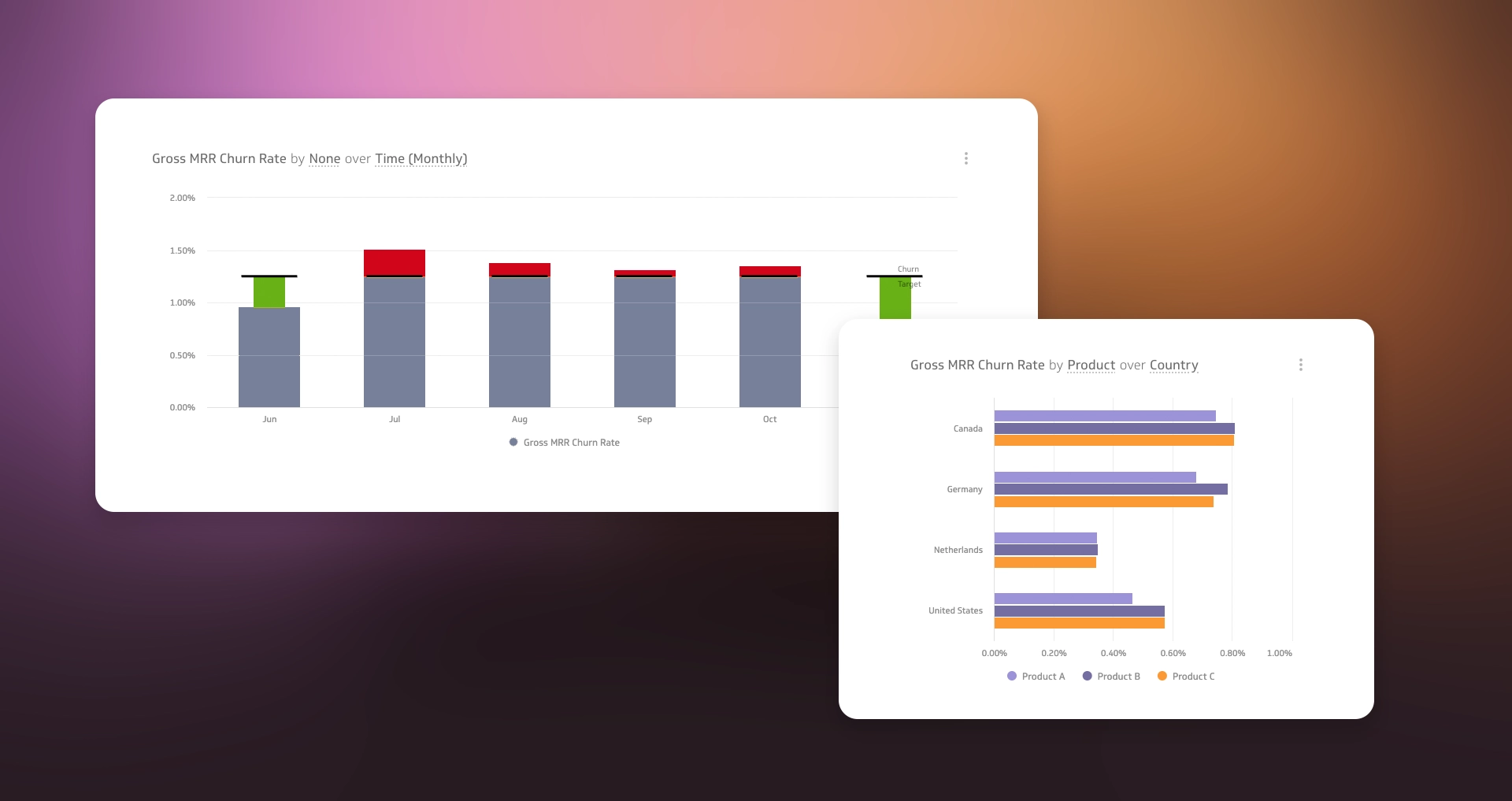
Gross MRR Churn Rate
Expert contributor: Pablo Srugo
Gross Monthly Recurring Revenue Churn Rate is the percentage of recurring revenue lost to cancellations and downgrades. Often tracked monthly, but an annual view works too. Pair this with expansion metrics to see net revenue retention.
Logo Churn
Expert contributor: Soha Yasrebi
Logo Churn is the number or percentage of customers who end their subscription in a period. Lower logo churn unlocks stronger net revenue retention and reduces pressure to constantly acquire new customers.
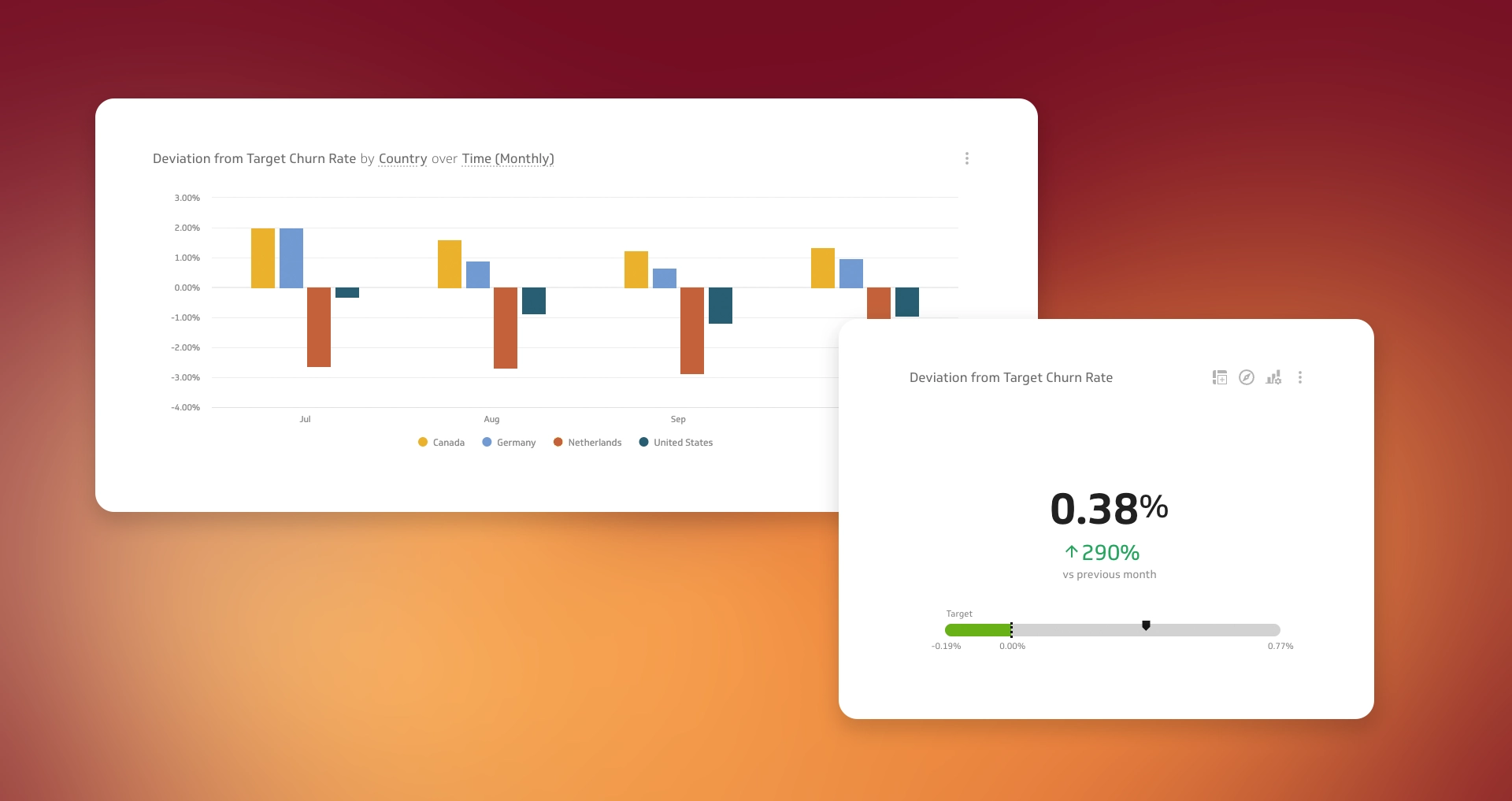
Deviation from Target Churn Rate
Expert contributor: Douglas Alves
This metric measures how far you are from the churn rate you're aiming to achieve in a given period. Calculate it as forecast churn minus target churn. Use it to flag early when retention efforts need adjustment.
Propensity to Renew
Expert contributor: Jennifer Batley
Propensity to Renew estimates the likelihood a customer will renew their contract, often sourced from customer surveys or engagement data. It's an early indicator of revenue risk and potential logo churn, giving you time to intervene.
Reactivation MRR
Expert contributor: Susan Luo
Reactivation MRR is recurring revenue from customers who previously cancelled service and returned within the current tracking period. Track this to understand the strength of your win-back efforts.
Financial health & stability metrics
SaaS Quick Ratio
Expert contributor: Susan Richards
SaaS Quick Ratio assesses growth efficiency by comparing new and expansion MRR against churn and contraction. Higher ratios signal healthier growth. It's a snapshot of whether your business is expanding faster than it's shrinking.
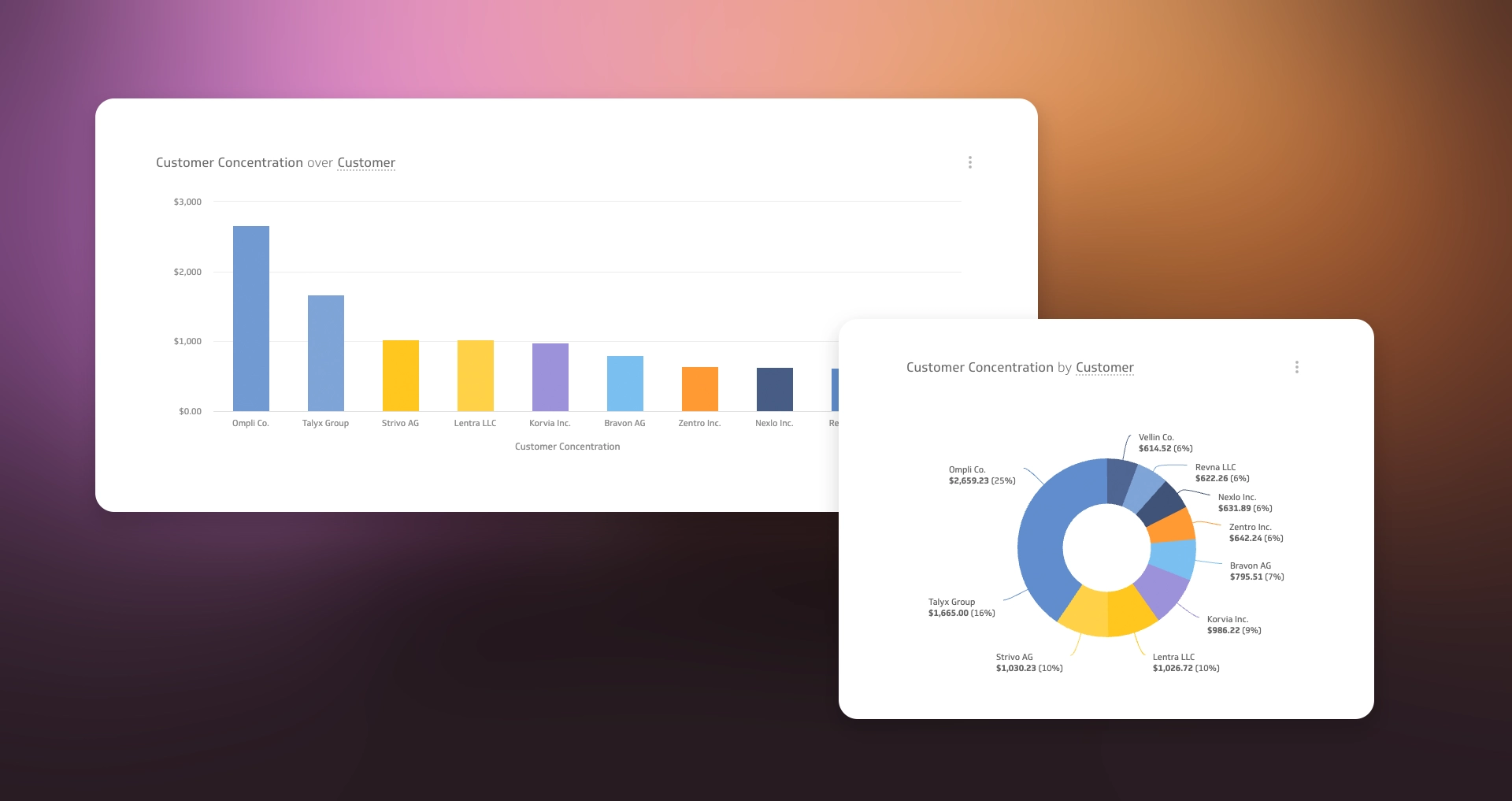
Customer Concentration
Expert contributors: Alamin Mollick and Priyaanka Arora
Customer Concentration, or Customer Revenue Concentration, is the share of total revenue generated by your highest-paying client or a group of top-paying clients. High concentration increases risk if a key account is lost. Some teams value the focus and deeper relationships that come with larger accounts, but the trade-offs include demanding requirements and revenue volatility.
Payment Acceptance
Expert contributor: Ed Fry
Payment Acceptance is the percentage of successful payments out of attempted payments. In card processing, this is often called the "authorization rate." Declining acceptance can signal billing issues or customer financial stress.
Strategic & market metrics
Total Addressable Market (TAM)
Expert contributors: Lauren Thibodeau and Priyaanka Arora
Total Addressable Market (TAM) estimates the full revenue opportunity for a product or service if you captured 100% of the market. Use TAM to validate market size, set growth targets, and communicate opportunity to investors.
Hype Factor
Expert contributor: Dave Kellogg
Hype Factor is an efficiency metric showing how well a company converts capital raised into ARR. ARR has direct value as it turns into GAAP revenue annually. Hype helps only if it creates halo effects that increase interest and ARR.
Build trust with consistent metrics
One of the pillars of trustworthy metrics is expert input and peer review. For clear definitions and references, explore MetricHQ. Track these metrics in PowerMetrics to standardize definitions, monitor trends, and share context with your team.